
Epidemiology Section
The Epidemiology Section supports disease surveillance, data analysis, and public health research related to tuberculosis control and prevention.
Departments
Epidemiology Section
The Epidemiology Section is one of the important departments of NDTB Centre and has played a significant role in tuberculosis research, surveillance, monitoring, training, and programme evaluation in India. Over the decades, the section has contributed extensively to epidemiological studies, operational research, and implementation of national tuberculosis control strategies.
Historical Contributions and Research Activities
The section has been associated with several landmark studies and projects in the field of tuberculosis epidemiology, including:
- Participation in the 1955–57 ICMR project for estimation of tuberculosis prevalence in the Indian community.
- Conducting eight longitudinal surveys in Old Delhi since 1950 to evaluate trends of tuberculosis and assess the epidemiological impact of TB control programmes.
- Development and organization of the home treatment concept, which was later incorporated into the National Tuberculosis Programme as domiciliary treatment.
- Participation in multicentric short-course chemotherapy trials.
- Studies on prevalence of initial and acquired drug resistance in Delhi and Northern India.
- Estimation of Annual Risk of Tuberculosis Infection (ARTI) in the North Zone of India.
- Active involvement in conducting national-level ARTI studies during 2009–10.
- Conducting operational research in the field of TB and respiratory diseases.
Present Activities of the Section
At present, the Epidemiology Section is involved in a wide range of programme management, monitoring, supervisory, research, and training activities under the National TB Elimination Programme (NTEP).
The section also provides medical examination facilities for employees of various organizations including embassies and the National Zoological Park.
Action Oriented Feedback
One of the major responsibilities of the section is dissemination of Action Oriented Feedback to all Chest Clinics in Delhi on a monthly basis. The objective is to strengthen programme implementation and improve performance indicators across districts.
Using data extracted from Nikshay, feedback reports are prepared and shared through an online platform. Indicators monitored include:
- TB Notification
- Direct Benefit Transfer (DBT) status
- Drug Sensitive TB (DSTB) indicators
- Drug Resistant TB (DRTB) indicators
- Other key programme performance indicators
Internal Evaluations
The section actively participates in Internal Evaluations of Chest Clinics under NTEP throughout the year. These evaluations comprehensively assess:
- Records and reporting systems
- Staffing patterns
- Drug storage and inventory
- Microscopy and laboratory activities
- Patient care facilities
- Financial records and programme implementation
The evaluations are conducted over a three-day period, following which detailed reports are compiled and submitted to the State TB Office.
Supervisory Visits and Monitoring
Monitoring and supportive supervision are integral functions of the Epidemiology Section. Supervisory visits are regularly conducted to assess implementation of NTEP activities at district and chest clinic levels. These visits help identify gaps in programme delivery and provide actionable feedback to District TB Officers (DTOs) for improving performance.
Training and Student Postings
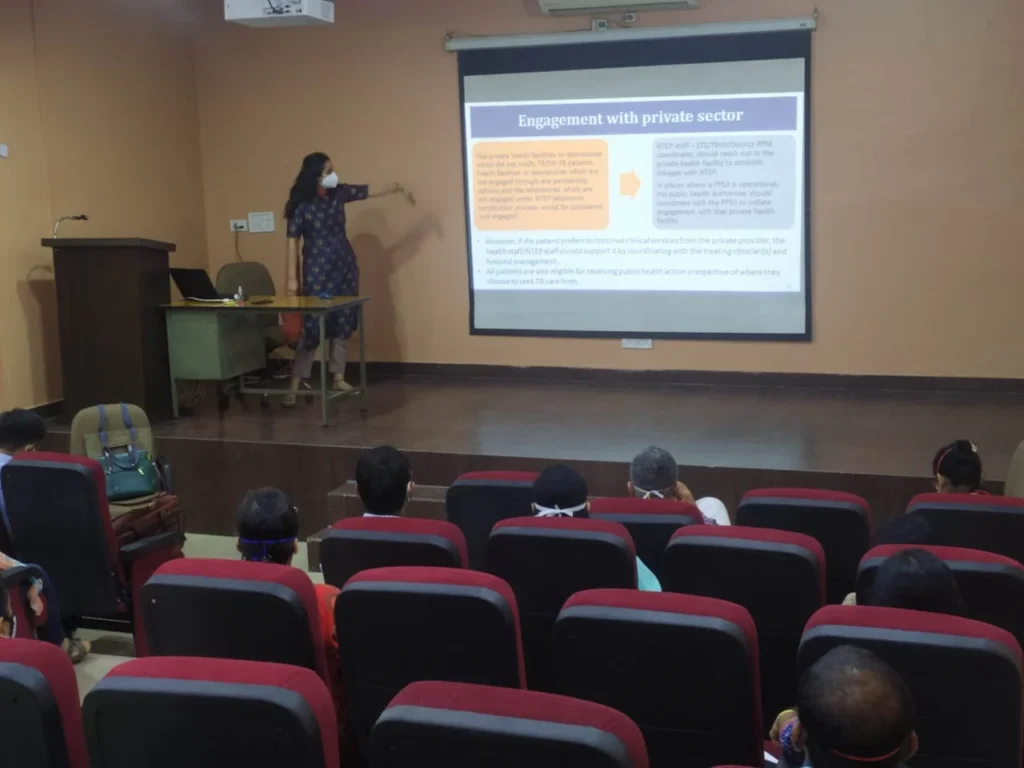
The section is actively involved in training and sensitization of medical and paramedical personnel regarding various components of NTEP. It also coordinates postings of students from different institutes for short-term observational and academic training in various departments of the Centre.
Research and Publications
The Epidemiology Section continues to contribute to research and scientific publications in the field of tuberculosis and public health. Research articles and operational studies are regularly prepared and submitted to reputed national and international journals.
An Institutional Ethics Committee, comprising representatives from various organizations, reviews research proposals to ensure adherence to ethical standards and scientific guidelines.