
Our Departments
Specialised sections working together to deliver comprehensive TB care, research and training.
Administrative Section
The Administrative Section is the backbone of the organization and plays a vital role in the smooth functioning of the institute. At NDTB Centre, the section is managed efficiently by a dedicated team of five officials and six supporting staff under the guidance of the Director/DDO. The section provides administrative, financial, and logistical support to all departments of the Centre.
The Administrative Section assists the Centre in the following areas:
- Overall coordination among all departments by providing infrastructure support, logistics, procurement, and disposal of goods and services.
- Management of the Accounts Section, which is responsible for financial administration, budgeting, maintenance of accounts, and liaison with various Government and private organizations for financial matters.
- Organization and coordination of important meetings and committee activities, including the Managing Committee, Ethics Committee, Scientific Committee, Vision Committee, and other institutional meetings for review, evaluation, and future planning.
- Support in conducting training programmes, workshops, and maintaining smooth OPD services of the Centre.
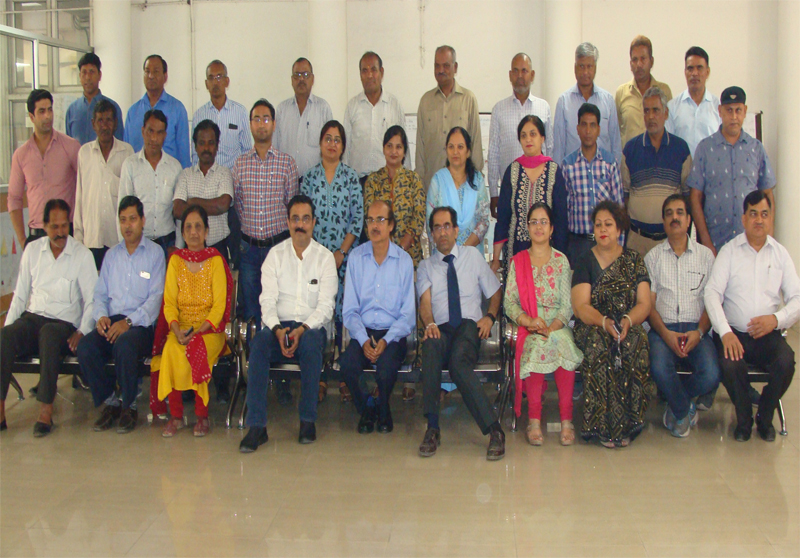
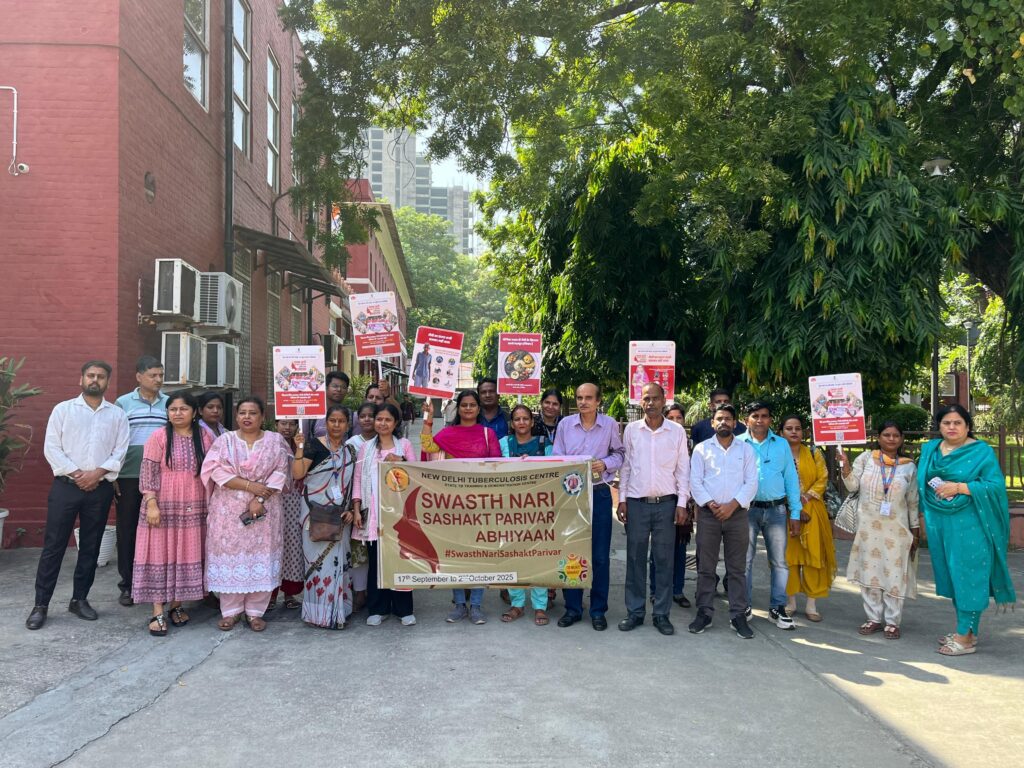
- Active participation in Government initiatives and public awareness programmes such as Swachhta Abhiyan, Nari Shakti initiatives, World TB Day, International Yoga Day, Women’s Day, and other social and health-related activities.
The Administrative Section continues to contribute significantly towards the efficient functioning and development of the Centre.
Clinical Section
The Clinical Section is an integral part of the New Delhi TB Centre and is committed to providing comprehensive, patient-centric, and high-quality care for tuberculosis and other respiratory diseases. The section functions as a major referral centre for TB patients from Delhi NCR and neighbouring states, offering expert consultation for difficult-to-treat cases, drug-resistant TB, adverse drug reactions, and various extra-pulmonary TB conditions.
Patients referred from adjoining hospitals such as Lok Nayak Hospital, GB Pant Hospital, and Guru Nanak Eye Centre also attend the OPD services of the Centre.
The Clinical Section follows the diagnostic and treatment guidelines laid down under National TB Elimination Programme and provides expert opinion for all respiratory illnesses, particularly pulmonary and extra-pulmonary TB cases. Patients requiring advanced imaging, invasive diagnostic procedures, or surgical intervention are referred to appropriate Government healthcare institutions.
The section also operates COAD Clinic for management of Bronchial Asthma and Chronic Obstructive Pulmonary Disease (COPD) through affordable, long-term, OPD-based treatment protocols aimed at improving quality of life and reducing emergency visits.
Diagnostic & Radiological Services
Radiological services form an essential component of the Clinical Section. X-ray facilities are available for all OPD patients. In 2024, a new digital X-ray machine equipped with a hand-held camera was installed, enabling rapid and convenient imaging, faster diagnosis and treatment, and seamless sharing of images for specialist consultation.
The section actively supports intensified case-finding activities under the TB Elimination Programme and extends radiological support to Lok Nayak Hospital.
DOTS Centre
A DOTS Centre has been functioning at NDTBC for many years and has evolved from conventional treatment delivery to the implementation of Daily DOTS under national TB control guidelines. Under this system, patients receive daily supervised treatment with weight-based fixed-dose combinations of anti-tubercular drugs.
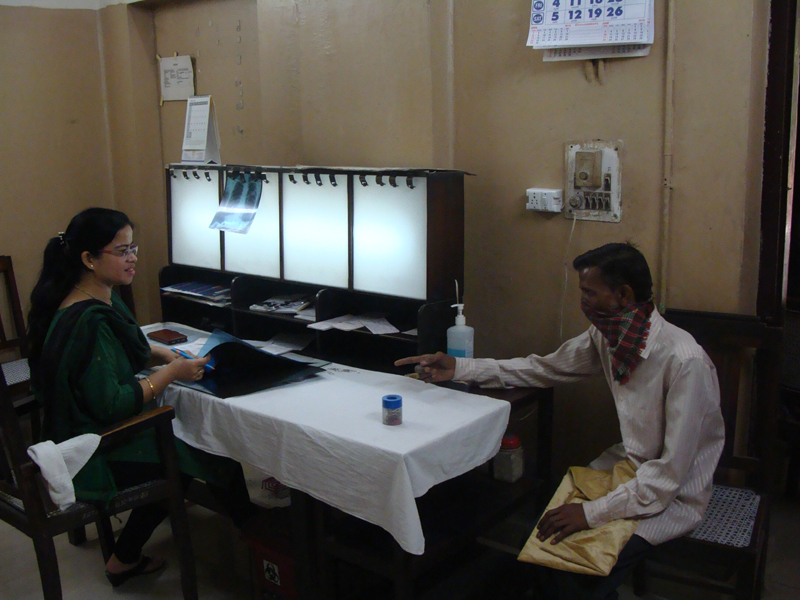
The Centre provides free diagnosis and treatment services to eligible patients from the designated area as per programme guidelines. TB suspects are screened, evaluated, and categorized by qualified medical professionals to ensure timely initiation of treatment.
Pharmacy & Patient Support Services
Pharmacy services are available within the Clinical Section for providing symptomatic treatment and supportive medicines to OPD patients. Patients experiencing complications during Anti-Tubercular Therapy (ATT) or adverse drug reactions are managed effectively by the clinical team.
Teaching & Training Activities
In addition to patient care, the Clinical Section plays a vital role in medical education and training. Undergraduate medical students of Maulana Azad Medical College, interns, and para-medical staff receive hands-on training in pulmonology and TB management.
Regular lectures, group discussions, clinical demonstrations, and case review sessions are conducted to strengthen patient-centric clinical skills and update trainees with the latest developments in TB care and respiratory medicine.
Epidemiology Section
The Epidemiology Section is one of the important departments of NDTB Centre and has played a significant role in tuberculosis research, surveillance, monitoring, training, and programme evaluation in India. Over the decades, the section has contributed extensively to epidemiological studies, operational research, and implementation of national tuberculosis control strategies.
Historical Contributions and Research Activities
The section has been associated with several landmark studies and projects in the field of tuberculosis epidemiology, including:
- Participation in the 1955–57 ICMR project for estimation of tuberculosis prevalence in the Indian community.
- Conducting eight longitudinal surveys in Old Delhi since 1950 to evaluate trends of tuberculosis and assess the epidemiological impact of TB control programmes.
- Development and organization of the home treatment concept, which was later incorporated into the National Tuberculosis Programme as domiciliary treatment.
- Participation in multicentric short-course chemotherapy trials.
- Studies on prevalence of initial and acquired drug resistance in Delhi and Northern India.
- Estimation of Annual Risk of Tuberculosis Infection (ARTI) in the North Zone of India.
- Active involvement in conducting national-level ARTI studies during 2009–10.
- Conducting operational research in the field of TB and respiratory diseases.
Present Activities of the Section
At present, the Epidemiology Section is involved in a wide range of programme management, monitoring, supervisory, research, and training activities under the National TB Elimination Programme (NTEP).
The section also provides medical examination facilities for employees of various organizations including embassies and the National Zoological Park.
Action Oriented Feedback
One of the major responsibilities of the section is dissemination of Action Oriented Feedback to all Chest Clinics in Delhi on a monthly basis. The objective is to strengthen programme implementation and improve performance indicators across districts.
Using data extracted from Nikshay, feedback reports are prepared and shared through an online platform. Indicators monitored include:
- TB Notification
- Direct Benefit Transfer (DBT) status
- Drug Sensitive TB (DSTB) indicators
- Drug Resistant TB (DRTB) indicators
- Other key programme performance indicators
Internal Evaluations
The section actively participates in Internal Evaluations of Chest Clinics under NTEP throughout the year. These evaluations comprehensively assess:
- Records and reporting systems
- Staffing patterns
- Drug storage and inventory
- Microscopy and laboratory activities
- Patient care facilities
- Financial records and programme implementation
The evaluations are conducted over a three-day period, following which detailed reports are compiled and submitted to the State TB Office.
Supervisory Visits and Monitoring
Monitoring and supportive supervision are integral functions of the Epidemiology Section. Supervisory visits are regularly conducted to assess implementation of NTEP activities at district and chest clinic levels. These visits help identify gaps in programme delivery and provide actionable feedback to District TB Officers (DTOs) for improving performance.
Training and Student Postings
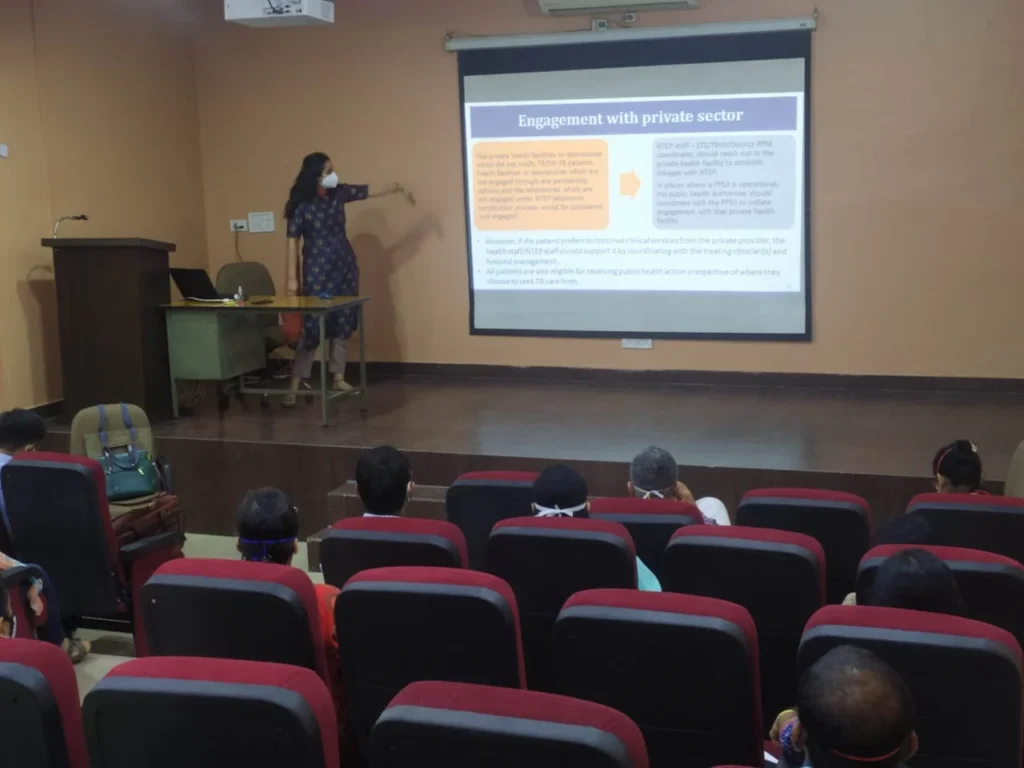
The section is actively involved in training and sensitization of medical and paramedical personnel regarding various components of NTEP. It also coordinates postings of students from different institutes for short-term observational and academic training in various departments of the Centre.
Research and Publications
The Epidemiology Section continues to contribute to research and scientific publications in the field of tuberculosis and public health. Research articles and operational studies are regularly prepared and submitted to reputed national and international journals.
An Institutional Ethics Committee, comprising representatives from various organizations, reviews research proposals to ensure adherence to ethical standards and scientific guidelines.
Mycobacteriological Section
The Intermediate Reference Laboratory (IRL) at the New Delhi Tuberculosis Centre is a flagship government institution dedicated to excellence in tuberculosis (TB) diagnostics, research, quality assurance, and public health impact. Upgraded to a Biosafety Level III (BSL-III) facility in 2008, the laboratory has continuously strengthened its infrastructure, diagnostic capabilities, and quality systems to support India’s TB elimination efforts. A major milestone in the laboratory’s journey was the implementation of a comprehensive Quality Management System (QMS) aligned with international standards, leading to NABL accreditation under ISO 15189:2012 in 2018. Demonstrating its commitment to continual quality improvement and innovation, the laboratory successfully transitioned to ISO 15189:2022 standards and was formally re-accredited in January 2025, becoming the first government mycobacteriology laboratory in North India to achieve accreditation under the revised standard.
The IRL is equipped with advanced diagnostic platforms including GeneXpert, Truenat, Patho Detect, Line Probe Assay (LPA), MGIT 960 liquid culture and drug susceptibility testing (DST), Real-Time PCR, and Whole Genome Sequencing using Illumina MiSeq technology, enabling comprehensive molecular and phenotypic testing for accurate diagnosis and monitoring of both drug-sensitive and drug-resistant TB cases. The laboratory has progressively expanded its drug susceptibility testing capabilities with the introduction of First-Line LPA in April 2011, Second-Line LPA in February 2018, First-Line Liquid Culture DST (SIRE) in May 2013, Second-Line Liquid Culture DST for fluoroquinolones and injectable drugs in March 2014, and Linezolid and Pyrazinamide DST in December 2020. In December 2025, IRL NDTBC New Delhi achieved another significant milestone by receiving the first certificates of proficiency in performing drug susceptibility testing (DST) for the newer anti-TB drugs Bedaquiline and Pretomanid by liquid culture, reflecting the laboratory’s advanced technical competence and preparedness for emerging drug-resistant TB treatment strategies.
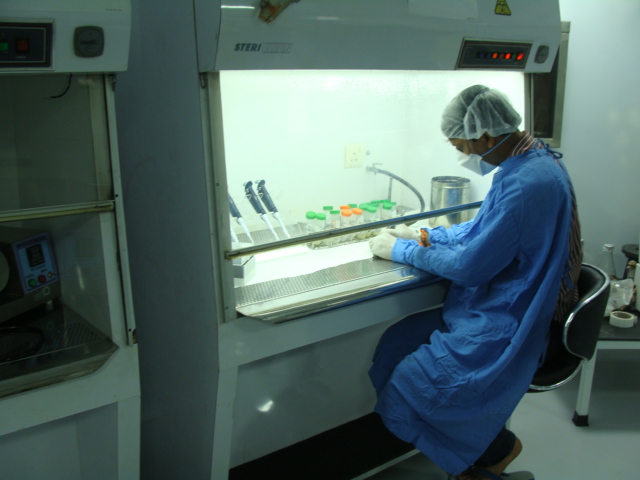
Beyond routine diagnostics, the IRL serves as an important site for multicentric clinical trials, diagnostic kit validation studies, and evaluation of novel TB technologies in collaboration with national and international organizations including the Central TB Division, Indian Council of Medical Research. The laboratory also plays a vital programmatic role by ensuring uninterrupted reagent supply and inventory management for GeneXpert, Truenat, and microscopy services across the state. Through its advanced infrastructure, quality-focused approach, research contributions, and programmatic leadership, the IRL continues to function as a critical pillar in strengthening tuberculosis diagnostics and supporting India’s national TB elimination strategy.As part of its quality assurance activities, the IRL conducts on-site evaluations, panel testing for STLS proficiency in smear microscopy, and strict internal quality control to ensure accurate and reliable diagnostic services. The laboratory also maintains comprehensive records, reports findings to relevant authorities, and supports TB control programmes through effective data management systems.During the COVID-19 pandemic, the laboratory additionally played a major public health role by initiating COVID-19 testing, training laboratory personnel, and participating in monitoring and supervision of COVID laboratories across Delhi.
Public Health Section
The Public Health Section of New Delhi Tuberculosis Centre plays a pivotal role in strengthening the activities of the National Tuberculosis Elimination Programme (NTEP) through community outreach, awareness generation, patient support and preventive services. The section works with the vision that hospitals should not only provide treatment to patients but also actively engage with the community to create awareness, encourage early diagnosis and promote prevention of tuberculosis.
Major Activities of the Section
The Public Health Section undertakes a wide range of public health and awareness activities throughout the year, including:
- Health talks and awareness sessions
- Community meetings and outreach activities
- IEC (Information, Education and Communication) initiatives
- Training and sensitization programmes
- Linkages with external agencies and NGOs
- Tuberculin and Cy-TB testing services
- DOT cum Microscopy Centre services
- Research and public health activities
Health Education and Awareness Activities
Health talks on various aspects of tuberculosis and NTEP are conducted regularly in the OPD halls, Mantoux examination hall and other public areas of the Centre. These sessions focus on:
- Signs and symptoms of TB
- Importance of early diagnosis and treatment
- Drug adherence and DOTS strategy
- Prevention and infection control
- Drug-resistant TB and MDR-TB management
- Services and benefits available under NTEP
Various IEC tools such as flip charts, pamphlets, posters, paintings and audiovisual aids are used to create awareness and maintain active participation of patients and attendants.
Special awareness programmes are also conducted for high-risk groups including PLHIV, children, people residing in slum areas and intravenous drug users. Activities such as one-to-one counselling, community meetings, lectures, nukkad natak, painting competitions and awareness rallies are organized to enhance community participation in TB prevention and control.
Sensitization and Training Programmes
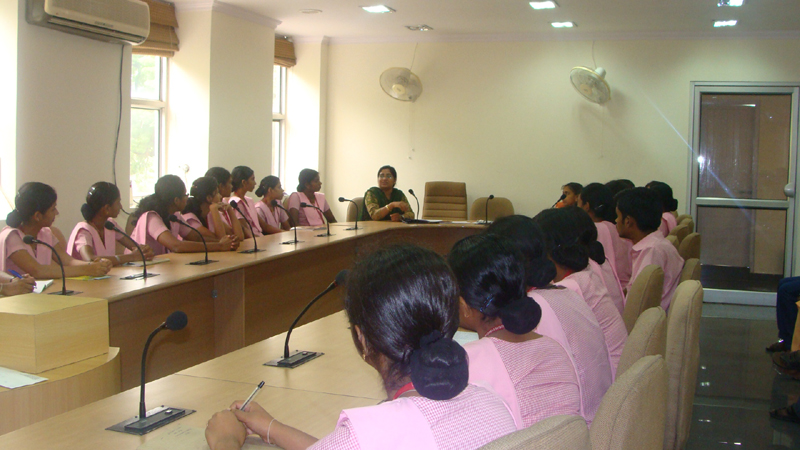
The section regularly organizes sensitization programmes for nursing students and healthcare personnel from various institutions. These sessions include training on:
- National Tuberculosis Elimination Programme (NTEP)
- Diagnosis and treatment of tuberculosis
- DOTS implementation
- MDR-TB diagnosis and management
- Infection prevention and control in healthcare settings
- Role of nursing personnel in TB patient care and prevention
Tuberculin and Cy-TB Testing Services
The Public Health Section manages the Tuberculin Unit and performs Mantoux (Tuberculin) testing for patients attending the Centre as well as referred cases from nearby hospitals and private practitioners.
The Centre has also introduced Cy-TB testing under the programme for eligible patients, contributing significantly towards early diagnosis and control of tuberculosis.
DOT cum Microscopy Centre
The DOT cum Microscopy Centre (DMC) at the Centre functions under the Lok Nayak Chest Clinic and has been operational since February 2017. The Centre provides diagnostic and treatment services as per NTEP guidelines and caters to a population of approximately one lakh.
The DMC is equipped with all essential facilities for sputum microscopy, treatment initiation, follow-up and drug distribution. Dedicated staff members ensure regular monitoring and uninterrupted availability of medications for TB patients.
Community Outreach and IEC Activities
Community participation forms the cornerstone of the Public Health Section’s activities. Community meetings are organized regularly in nearby localities and chest clinic areas to disseminate authentic information regarding TB and address public concerns.
Information, Education and Communication (IEC) activities are carried out through:
- Community meetings
- Health talks
- Awareness rallies
- Munadi and public announcements
- Distribution of pamphlets
- Slogan, poetry and painting competitions
- Awareness campaigns through schools and NGOs
These initiatives help reduce stigma, promote treatment adherence and encourage timely diagnosis and treatment.
Training & Monitoring Section
The Training and Monitoring Section of the New Delhi TB Centre plays a vital role in strengthening the implementation of the National Tuberculosis Elimination Programme (NTEP) through continuous capacity building, monitoring, supervision, and evaluation activities across Delhi State.
Training and capacity building of medical and para-medical staff are conducted throughout the year in collaboration with the State TB Cell, Central TB Division, and WHO. The section organizes training programmes for various categories of healthcare personnel including District TB Officers (DTOs), Medical Officers (MOs), Senior Treatment Supervisors (STS), Senior TB Laboratory Supervisors (STLS), Laboratory Technicians (LTs), TB Health Visitors (TBHVs), nursing staff, and private healthcare providers.
The trainings focus on updated NTEP guidelines, programme implementation strategies, diagnosis and treatment of tuberculosis, drug-resistant TB management, infection control practices, and patient care. Modernized Training Systems (MTS), hybrid learning methods, workshops, refresher courses, review meetings, and online training platforms are utilized to ensure effective dissemination of knowledge and skills.
Major Activities of the Training Section
- Imparting modular and practical training to medical and para-medical staff working under NTEP
- Assessment of training needs and preparation of training curriculum
- Preparation of annual training calendar
- Identification of resource persons and training venues
- Organization of state-level trainings and workshops
- Maintenance of updated directory of trained manpower for Delhi State
- Standardization of training evaluation methods
- Periodic supervision and quality assessment of trainings conducted at district and sub-district levels
The resource persons for these trainings include faculty members from the New Delhi TB Centre, Maulana Azad Medical College (MAMC), and District TB Officers of Delhi State.
The section also conducts sensitization programmes for nursing students and healthcare workers from various institutions on:
- Signs and symptoms of Tuberculosis
- Diagnosis and treatment modalities under NTEP
- DOTS strategy and patient adherence
- MDR-TB diagnosis and management
- Infection control practices in healthcare settings
- Roles and responsibilities of healthcare personnel in TB care and prevention
Monitoring and Evaluation
Monitoring and evaluation activities are an essential component of programme implementation under NTEP. The section ensures regular supervision, performance assessment, and data validation to strengthen programme outcomes and improve service delivery.
Analysis of Quarterly Cohort Reports
The New Delhi TB Centre, functioning as the State TB Demonstration Centre (STDC), compiles and analyses quarterly reports received from all chest clinics under NTEP in Delhi State. These include:
- Sputum Conversion Reports
- Treatment Outcome Reports
- Programme Management Reports
Detailed analysis and feedback are prepared for each chest clinic, highlighting areas requiring improvement. The findings are discussed during quarterly review meetings with District TB Officers and representatives from all chest clinics across Delhi.
Internal Evaluation of Chest Clinics
Internal evaluation of chest clinics is conducted regularly to assess all operational aspects including:
- Record maintenance
- Staffing pattern
- Drug storage and stock management
- Laboratory and microscopy services
- Patient care facilities
- Financial management
Internal evaluations are conducted by the Delhi State TB Control Officer along with the Director, New Delhi TB Centre, or their nominee. Two chest clinics are evaluated every quarter. During the last five years, around 90 internal evaluations have been conducted in Delhi. Faculty members of the Centre are also nominated for central evaluation visits in different states across the country.
Supervisory Visits
The faculty of the New Delhi TB Centre regularly conduct supervisory visits to chest clinics and DOT Centres throughout Delhi State. These visits help ensure:
- Proper implementation of programme activities
- Accuracy and validity of reported data
- Identification of operational gaps
- Timely corrective and remedial actions
- Continuous on-the-job sensitization of staff
The Centre conducts supervisory visits to approximately 25 chest clinics and 200 DOT Centres across Delhi annually, providing technical guidance and support for improving programme performance under NTEP.
Administrative Section
The Administrative Section is the backbone of the organization and plays a vital role in the smooth functioning of the institute. At NDTB Centre, the section is managed efficiently by a dedicated team of five officials and six supporting staff under the guidance of the Director/DDO. The section provides administrative, financial, and logistical support to all departments of the Centre.
The Administrative Section assists the Centre in the following areas:
- Overall coordination among all departments by providing infrastructure support, logistics, procurement, and disposal of goods and services.
- Management of the Accounts Section, which is responsible for financial administration, budgeting, maintenance of accounts, and liaison with various Government and private organizations for financial matters.
- Organization and coordination of important meetings and committee activities, including the Managing Committee, Ethics Committee, Scientific Committee, Vision Committee, and other institutional meetings for review, evaluation, and future planning.
- Support in conducting training programmes, workshops, and maintaining smooth OPD services of the Centre.
- Active participation in Government initiatives and public awareness programmes such as Swachhta Abhiyan, Nari Shakti initiatives, World TB Day, International Yoga Day, Women’s Day, and other social and health-related activities.
The Administrative Section continues to contribute significantly towards the efficient functioning and development of the Centre.
Clinical Section
The Clinical Section is an integral part of the New Delhi TB Centre and is committed to providing comprehensive, patient-centric, and high-quality care for tuberculosis and other respiratory diseases. The section functions as a major referral centre for TB patients from Delhi NCR and neighbouring states, offering expert consultation for difficult-to-treat cases, drug-resistant TB, adverse drug reactions, and various extra-pulmonary TB conditions.
Patients referred from adjoining hospitals such as Lok Nayak Hospital, GB Pant Hospital, and Guru Nanak Eye Centre also attend the OPD services of the Centre.
The Clinical Section follows the diagnostic and treatment guidelines laid down under National TB Elimination Programme and provides expert opinion for all respiratory illnesses, particularly pulmonary and extra-pulmonary TB cases. Patients requiring advanced imaging, invasive diagnostic procedures, or surgical intervention are referred to appropriate Government healthcare institutions.
The section also operates COAD Clinic for management of Bronchial Asthma and Chronic Obstructive Pulmonary Disease (COPD) through affordable, long-term, OPD-based treatment protocols aimed at improving quality of life and reducing emergency visits.
Diagnostic & Radiological Services
Radiological services form an essential component of the Clinical Section. X-ray facilities are available for all OPD patients. In 2024, a new digital X-ray machine equipped with a hand-held camera was installed, enabling rapid and convenient imaging, faster diagnosis and treatment, and seamless sharing of images for specialist consultation.
The section actively supports intensified case-finding activities under the TB Elimination Programme and extends radiological support to Lok Nayak Hospital.
DOTS Centre
A DOTS Centre has been functioning at NDTBC for many years and has evolved from conventional treatment delivery to the implementation of Daily DOTS under national TB control guidelines. Under this system, patients receive daily supervised treatment with weight-based fixed-dose combinations of anti-tubercular drugs.
The Centre provides free diagnosis and treatment services to eligible patients from the designated area as per programme guidelines. TB suspects are screened, evaluated, and categorized by qualified medical professionals to ensure timely initiation of treatment.
Pharmacy & Patient Support Services
Pharmacy services are available within the Clinical Section for providing symptomatic treatment and supportive medicines to OPD patients. Patients experiencing complications during Anti-Tubercular Therapy (ATT) or adverse drug reactions are managed effectively by the clinical team.
Teaching & Training Activities
In addition to patient care, the Clinical Section plays a vital role in medical education and training. Undergraduate medical students of Maulana Azad Medical College, interns, and para-medical staff receive hands-on training in pulmonology and TB management.
Regular lectures, group discussions, clinical demonstrations, and case review sessions are conducted to strengthen patient-centric clinical skills and update trainees with the latest developments in TB care and respiratory medicine.
Epidemiology Section
The Epidemiology Section is one of the important departments of NDTB Centre and has played a significant role in tuberculosis research, surveillance, monitoring, training, and programme evaluation in India. Over the decades, the section has contributed extensively to epidemiological studies, operational research, and implementation of national tuberculosis control strategies.
Historical Contributions and Research Activities
The section has been associated with several landmark studies and projects in the field of tuberculosis epidemiology, including:
- Participation in the 1955–57 ICMR project for estimation of tuberculosis prevalence in the Indian community.
- Conducting eight longitudinal surveys in Old Delhi since 1950 to evaluate trends of tuberculosis and assess the epidemiological impact of TB control programmes.
- Development and organization of the home treatment concept, which was later incorporated into the National Tuberculosis Programme as domiciliary treatment.
- Participation in multicentric short-course chemotherapy trials.
- Studies on prevalence of initial and acquired drug resistance in Delhi and Northern India.
- Estimation of Annual Risk of Tuberculosis Infection (ARTI) in the North Zone of India.
- Active involvement in conducting national-level ARTI studies during 2009–10.
- Conducting operational research in the field of TB and respiratory diseases.
Present Activities of the Section
At present, the Epidemiology Section is involved in a wide range of programme management, monitoring, supervisory, research, and training activities under the National TB Elimination Programme (NTEP).
The section also provides medical examination facilities for employees of various organizations including embassies and the National Zoological Park.
Action Oriented Feedback
One of the major responsibilities of the section is dissemination of Action Oriented Feedback to all Chest Clinics in Delhi on a monthly basis. The objective is to strengthen programme implementation and improve performance indicators across districts.
Using data extracted from Nikshay, feedback reports are prepared and shared through an online platform. Indicators monitored include:
- TB Notification
- Direct Benefit Transfer (DBT) status
- Drug Sensitive TB (DSTB) indicators
- Drug Resistant TB (DRTB) indicators
- Other key programme performance indicators
Internal Evaluations
The section actively participates in Internal Evaluations of Chest Clinics under NTEP throughout the year. These evaluations comprehensively assess:
- Records and reporting systems
- Staffing patterns
- Drug storage and inventory
- Microscopy and laboratory activities
- Patient care facilities
- Financial records and programme implementation
The evaluations are conducted over a three-day period, following which detailed reports are compiled and submitted to the State TB Office.
Supervisory Visits and Monitoring
Monitoring and supportive supervision are integral functions of the Epidemiology Section. Supervisory visits are regularly conducted to assess implementation of NTEP activities at district and chest clinic levels. These visits help identify gaps in programme delivery and provide actionable feedback to District TB Officers (DTOs) for improving performance.
Training and Student Postings
The section is actively involved in training and sensitization of medical and paramedical personnel regarding various components of NTEP. It also coordinates postings of students from different institutes for short-term observational and academic training in various departments of the Centre.
Research and Publications
The Epidemiology Section continues to contribute to research and scientific publications in the field of tuberculosis and public health. Research articles and operational studies are regularly prepared and submitted to reputed national and international journals.
An Institutional Ethics Committee, comprising representatives from various organizations, reviews research proposals to ensure adherence to ethical standards and scientific guidelines.
Mycobacteriological Section
The Intermediate Reference Laboratory (IRL) at the New Delhi Tuberculosis Centre is a flagship government institution dedicated to excellence in tuberculosis (TB) diagnostics, research, quality assurance, and public health impact. Upgraded to a Biosafety Level III (BSL-III) facility in 2008, the laboratory has continuously strengthened its infrastructure, diagnostic capabilities, and quality systems to support India’s TB elimination efforts. A major milestone in the laboratory’s journey was the implementation of a comprehensive Quality Management System (QMS) aligned with international standards, leading to NABL accreditation under ISO 15189:2012 in 2018. Demonstrating its commitment to continual quality improvement and innovation, the laboratory successfully transitioned to ISO 15189:2022 standards and was formally re-accredited in January 2025, becoming the first government mycobacteriology laboratory in North India to achieve accreditation under the revised standard.
The IRL is equipped with advanced diagnostic platforms including GeneXpert, Truenat, Patho Detect, Line Probe Assay (LPA), MGIT 960 liquid culture and drug susceptibility testing (DST), Real-Time PCR, and Whole Genome Sequencing using Illumina MiSeq technology, enabling comprehensive molecular and phenotypic testing for accurate diagnosis and monitoring of both drug-sensitive and drug-resistant TB cases. The laboratory has progressively expanded its drug susceptibility testing capabilities with the introduction of First-Line LPA in April 2011, Second-Line LPA in February 2018, First-Line Liquid Culture DST (SIRE) in May 2013, Second-Line Liquid Culture DST for fluoroquinolones and injectable drugs in March 2014, and Linezolid and Pyrazinamide DST in December 2020. In December 2025, IRL NDTBC New Delhi achieved another significant milestone by receiving the first certificates of proficiency in performing drug susceptibility testing (DST) for the newer anti-TB drugs Bedaquiline and Pretomanid by liquid culture, reflecting the laboratory’s advanced technical competence and preparedness for emerging drug-resistant TB treatment strategies.
Beyond routine diagnostics, the IRL serves as an important site for multicentric clinical trials, diagnostic kit validation studies, and evaluation of novel TB technologies in collaboration with national and international organizations including the Central TB Division, Indian Council of Medical Research. The laboratory also plays a vital programmatic role by ensuring uninterrupted reagent supply and inventory management for GeneXpert, Truenat, and microscopy services across the state. Through its advanced infrastructure, quality-focused approach, research contributions, and programmatic leadership, the IRL continues to function as a critical pillar in strengthening tuberculosis diagnostics and supporting India’s national TB elimination strategy.As part of its quality assurance activities, the IRL conducts on-site evaluations, panel testing for STLS proficiency in smear microscopy, and strict internal quality control to ensure accurate and reliable diagnostic services. The laboratory also maintains comprehensive records, reports findings to relevant authorities, and supports TB control programmes through effective data management systems.During the COVID-19 pandemic, the laboratory additionally played a major public health role by initiating COVID-19 testing, training laboratory personnel, and participating in monitoring and supervision of COVID laboratories across Delhi.
Public Health Section
The Public Health Section of New Delhi Tuberculosis Centre plays a pivotal role in strengthening the activities of the National Tuberculosis Elimination Programme (NTEP) through community outreach, awareness generation, patient support and preventive services. The section works with the vision that hospitals should not only provide treatment to patients but also actively engage with the community to create awareness, encourage early diagnosis and promote prevention of tuberculosis.
Major Activities of the Section
The Public Health Section undertakes a wide range of public health and awareness activities throughout the year, including:
- Health talks and awareness sessions
- Community meetings and outreach activities
- IEC (Information, Education and Communication) initiatives
- Training and sensitization programmes
- Linkages with external agencies and NGOs
- Tuberculin and Cy-TB testing services
- DOT cum Microscopy Centre services
- Research and public health activities
Health Education and Awareness Activities
Health talks on various aspects of tuberculosis and NTEP are conducted regularly in the OPD halls, Mantoux examination hall and other public areas of the Centre. These sessions focus on:
- Signs and symptoms of TB
- Importance of early diagnosis and treatment
- Drug adherence and DOTS strategy
- Prevention and infection control
- Drug-resistant TB and MDR-TB management
- Services and benefits available under NTEP
Various IEC tools such as flip charts, pamphlets, posters, paintings and audiovisual aids are used to create awareness and maintain active participation of patients and attendants.
Special awareness programmes are also conducted for high-risk groups including PLHIV, children, people residing in slum areas and intravenous drug users. Activities such as one-to-one counselling, community meetings, lectures, nukkad natak, painting competitions and awareness rallies are organized to enhance community participation in TB prevention and control.
Sensitization and Training Programmes
The section regularly organizes sensitization programmes for nursing students and healthcare personnel from various institutions. These sessions include training on:
- National Tuberculosis Elimination Programme (NTEP)
- Diagnosis and treatment of tuberculosis
- DOTS implementation
- MDR-TB diagnosis and management
- Infection prevention and control in healthcare settings
- Role of nursing personnel in TB patient care and prevention
Tuberculin and Cy-TB Testing Services
The Public Health Section manages the Tuberculin Unit and performs Mantoux (Tuberculin) testing for patients attending the Centre as well as referred cases from nearby hospitals and private practitioners.
The Centre has also introduced Cy-TB testing under the programme for eligible patients, contributing significantly towards early diagnosis and control of tuberculosis.
DOT cum Microscopy Centre
The DOT cum Microscopy Centre (DMC) at the Centre functions under the Lok Nayak Chest Clinic and has been operational since February 2017. The Centre provides diagnostic and treatment services as per NTEP guidelines and caters to a population of approximately one lakh.
The DMC is equipped with all essential facilities for sputum microscopy, treatment initiation, follow-up and drug distribution. Dedicated staff members ensure regular monitoring and uninterrupted availability of medications for TB patients.
Community Outreach and IEC Activities
Community participation forms the cornerstone of the Public Health Section’s activities. Community meetings are organized regularly in nearby localities and chest clinic areas to disseminate authentic information regarding TB and address public concerns.
Information, Education and Communication (IEC) activities are carried out through:
- Community meetings
- Health talks
- Awareness rallies
- Munadi and public announcements
- Distribution of pamphlets
- Slogan, poetry and painting competitions
- Awareness campaigns through schools and NGOs
These initiatives help reduce stigma, promote treatment adherence and encourage timely diagnosis and treatment.
Training & Monitoring Section
The Training and Monitoring Section of the New Delhi TB Centre plays a vital role in strengthening the implementation of the National Tuberculosis Elimination Programme (NTEP) through continuous capacity building, monitoring, supervision, and evaluation activities across Delhi State.
Training and capacity building of medical and para-medical staff are conducted throughout the year in collaboration with the State TB Cell, Central TB Division, and WHO. The section organizes training programmes for various categories of healthcare personnel including District TB Officers (DTOs), Medical Officers (MOs), Senior Treatment Supervisors (STS), Senior TB Laboratory Supervisors (STLS), Laboratory Technicians (LTs), TB Health Visitors (TBHVs), nursing staff, and private healthcare providers.
The trainings focus on updated NTEP guidelines, programme implementation strategies, diagnosis and treatment of tuberculosis, drug-resistant TB management, infection control practices, and patient care. Modernized Training Systems (MTS), hybrid learning methods, workshops, refresher courses, review meetings, and online training platforms are utilized to ensure effective dissemination of knowledge and skills.
Major Activities of the Training Section
- Imparting modular and practical training to medical and para-medical staff working under NTEP
- Assessment of training needs and preparation of training curriculum
- Preparation of annual training calendar
- Identification of resource persons and training venues
- Organization of state-level trainings and workshops
- Maintenance of updated directory of trained manpower for Delhi State
- Standardization of training evaluation methods
- Periodic supervision and quality assessment of trainings conducted at district and sub-district levels
The resource persons for these trainings include faculty members from the New Delhi TB Centre, Maulana Azad Medical College (MAMC), and District TB Officers of Delhi State.
The section also conducts sensitization programmes for nursing students and healthcare workers from various institutions on:
- Signs and symptoms of Tuberculosis
- Diagnosis and treatment modalities under NTEP
- DOTS strategy and patient adherence
- MDR-TB diagnosis and management
- Infection control practices in healthcare settings
- Roles and responsibilities of healthcare personnel in TB care and prevention
Monitoring and Evaluation
Monitoring and evaluation activities are an essential component of programme implementation under NTEP. The section ensures regular supervision, performance assessment, and data validation to strengthen programme outcomes and improve service delivery.
Analysis of Quarterly Cohort Reports
The New Delhi TB Centre, functioning as the State TB Demonstration Centre (STDC), compiles and analyses quarterly reports received from all chest clinics under NTEP in Delhi State. These include:
- Sputum Conversion Reports
- Treatment Outcome Reports
- Programme Management Reports
Detailed analysis and feedback are prepared for each chest clinic, highlighting areas requiring improvement. The findings are discussed during quarterly review meetings with District TB Officers and representatives from all chest clinics across Delhi.
Internal Evaluation of Chest Clinics
Internal evaluation of chest clinics is conducted regularly to assess all operational aspects including:
- Record maintenance
- Staffing pattern
- Drug storage and stock management
- Laboratory and microscopy services
- Patient care facilities
- Financial management
Internal evaluations are conducted by the Delhi State TB Control Officer along with the Director, New Delhi TB Centre, or their nominee. Two chest clinics are evaluated every quarter. During the last five years, around 90 internal evaluations have been conducted in Delhi. Faculty members of the Centre are also nominated for central evaluation visits in different states across the country.
Supervisory Visits
The faculty of the New Delhi TB Centre regularly conduct supervisory visits to chest clinics and DOT Centres throughout Delhi State. These visits help ensure:
- Proper implementation of programme activities
- Accuracy and validity of reported data
- Identification of operational gaps
- Timely corrective and remedial actions
- Continuous on-the-job sensitization of staff
The Centre conducts supervisory visits to approximately 25 chest clinics and 200 DOT Centres across Delhi annually, providing technical guidance and support for improving programme performance under NTEP.